Dry-Type vs Oil-Immersed Transformers: Choosing the Right Solution
Selecting between dry-type and oil-immersed transformers is one of the most consequential decisions in electrical system design. Each technology offers distinct advantages, and the optimal choice depends on application, environment, safety requirements, and total cost of ownership over the asset’s lifecycle.
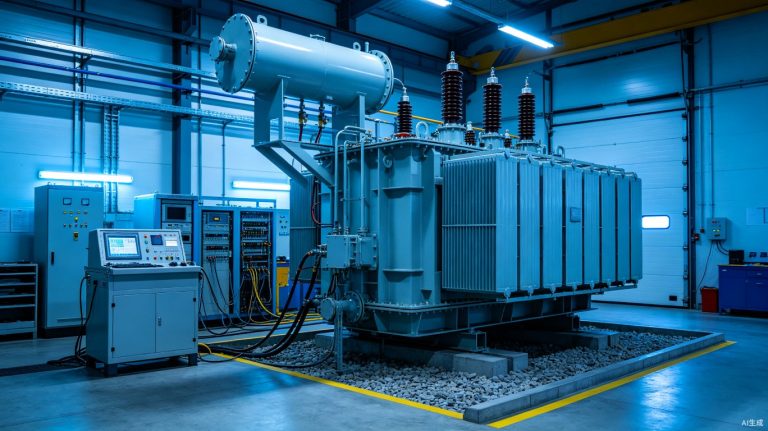
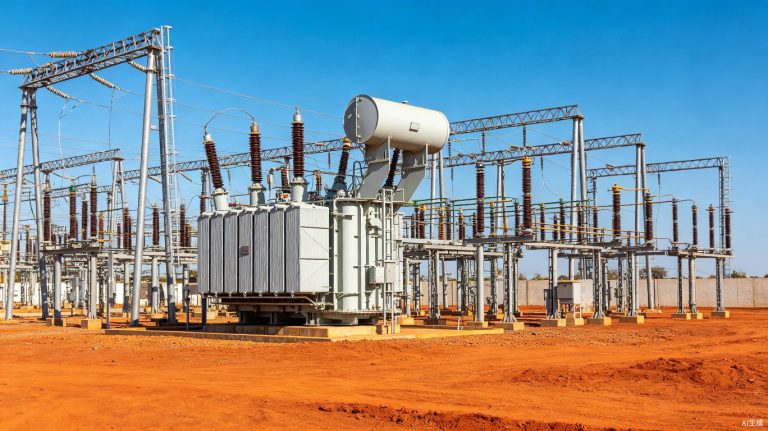
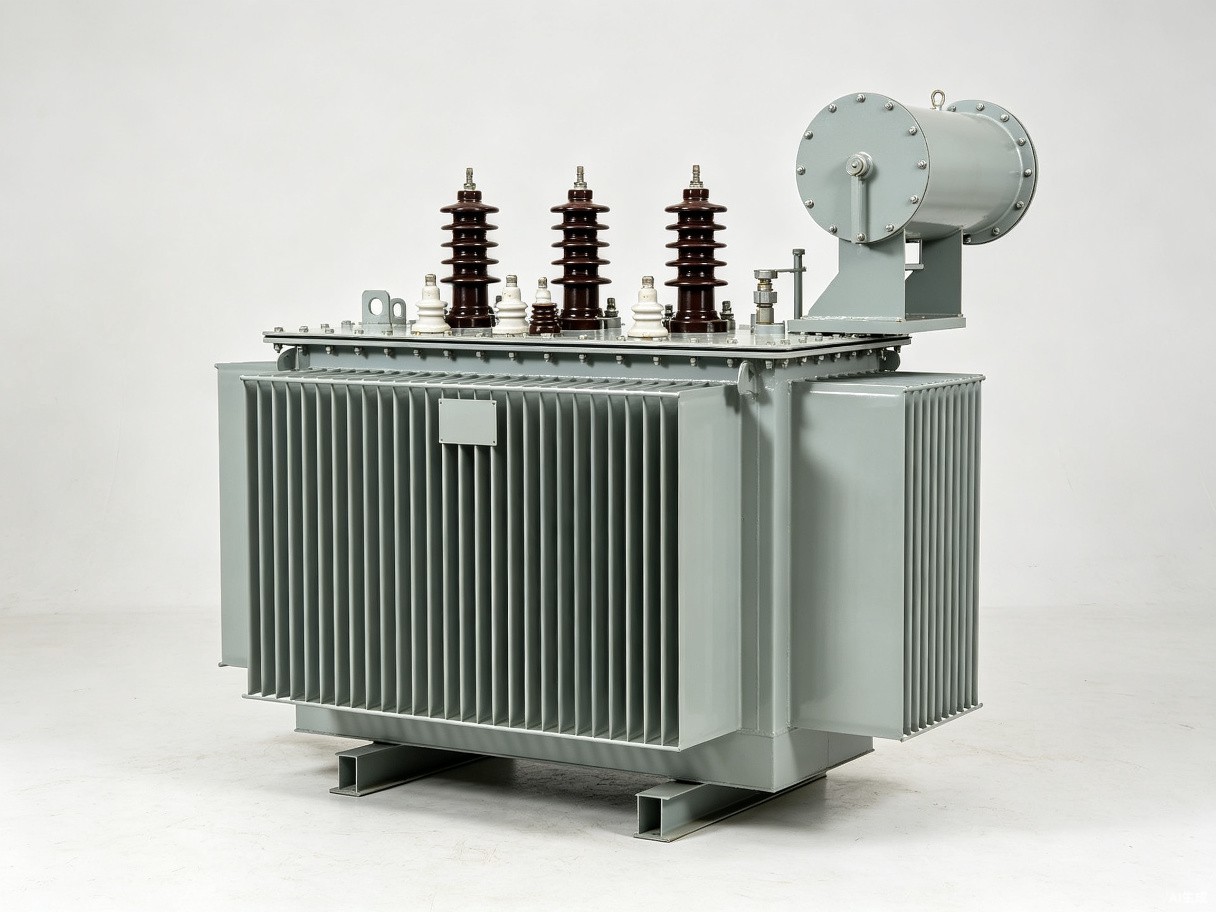
Oil-immersed transformers generally offer higher power ratings, better overload capability, and lower losses for large-capacity applications. The insulating oil provides excellent dielectric performance and aids cooling, making this technology the preferred choice for outdoor substations, utility distribution, and heavy industrial loads where space is less constrained.
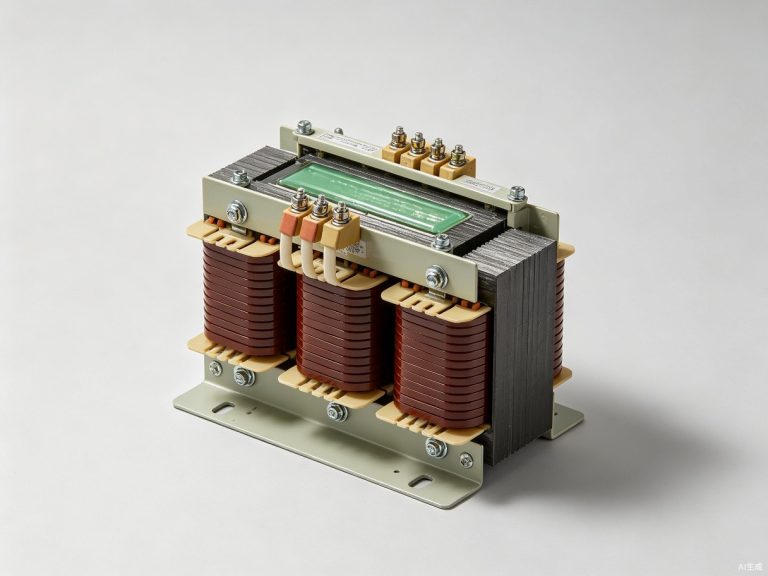
Dry-type transformers, by contrast, eliminate the fire and environmental risks associated with mineral oil, making them ideal for indoor installations, commercial buildings, hospitals, and other locations where safety and proximity to occupied spaces are paramount. They require less maintenance, avoid oil sampling and recycling, and can be installed closer to the point of use, reducing cabling costs.
The selection guide ultimately hinges on a balanced assessment of capital cost, operating efficiency, installation environment, fire safety codes, and end-of-life disposal considerations. For projects where environmental performance and indoor installation are priorities, dry-type units are increasingly competitive, while oil-immersed designs remain the benchmark for high-power, outdoor, and cost-sensitive applications.