Energy Efficiency Regulations 2024: Meeting Tier-2 Efficiency Standards
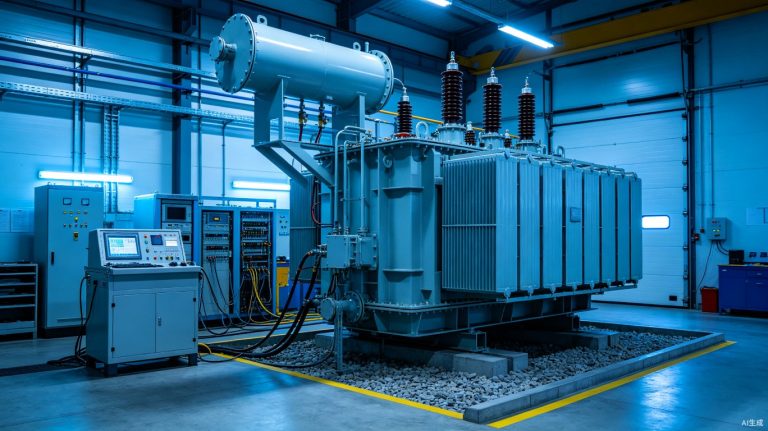
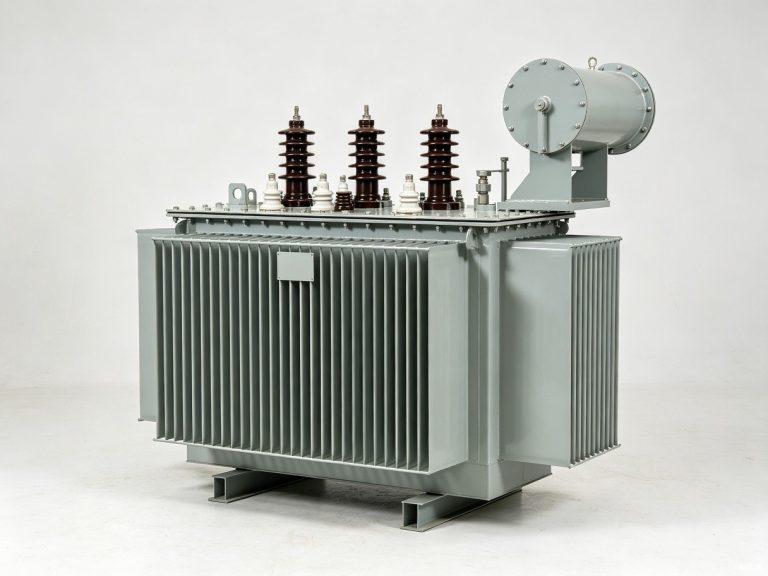
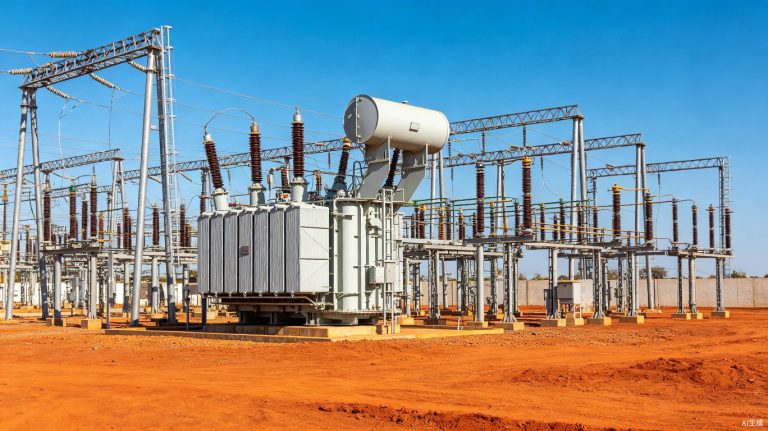
New energy efficiency regulations taking effect in 2024 raise the bar for transformer losses, ushering in Tier-2 efficiency requirements that apply to a broad range of distribution and small power transformers. The tighter limits are designed to reduce aggregate grid losses and support national decarbonization commitments.
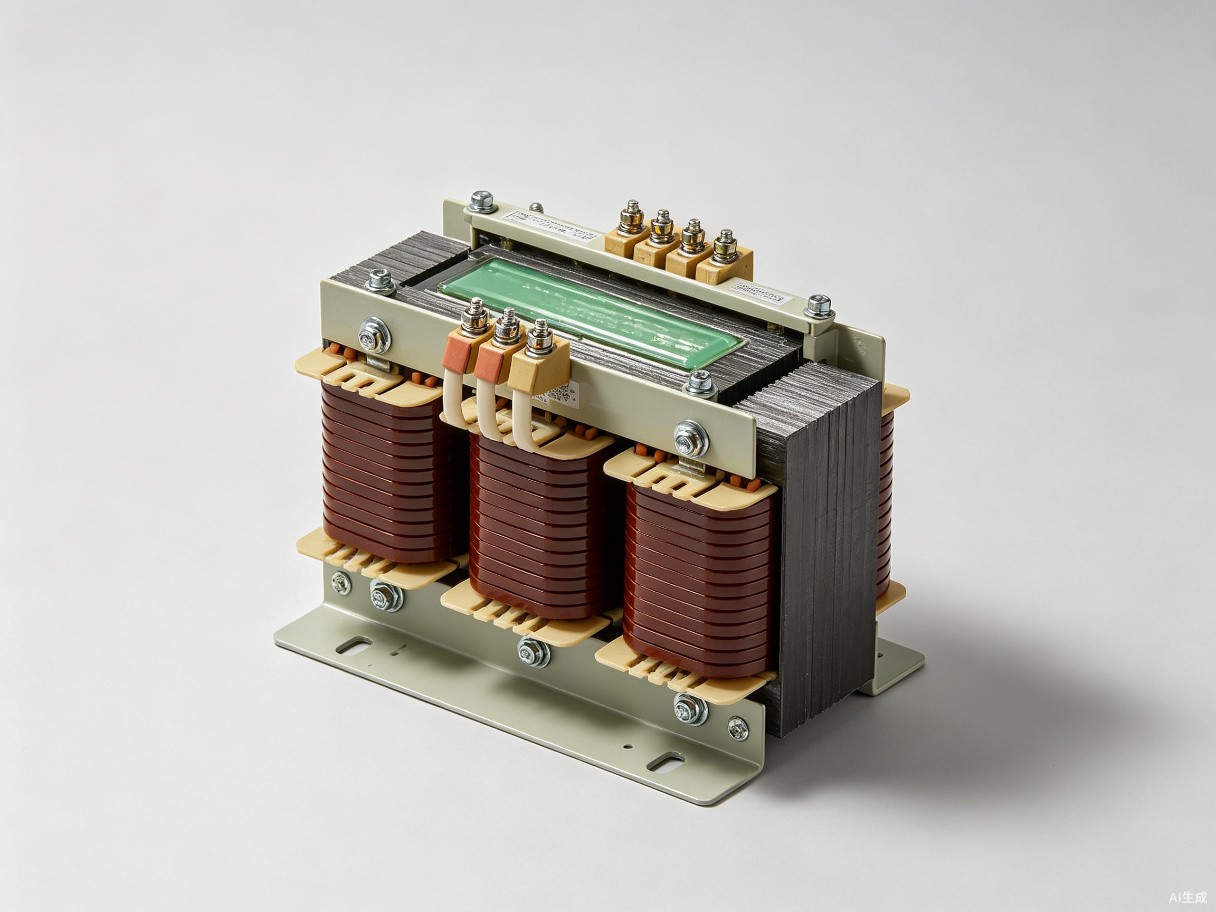
Meeting Tier-2 standards typically requires redesigning the core and winding assemblies to reduce no-load and load losses. Manufacturers are increasingly turning to high-permeability grain-oriented electrical steels, step-lap core joints, and optimized conductor geometries to achieve the required performance without dramatically increasing unit size or cost.
Amorphous metal cores offer an especially effective route to compliance for distribution transformers, cutting no-load losses by up to 70 percent compared to conventional silicon steel. While material costs remain higher, lifecycle energy savings typically recover the premium within a few years of operation, particularly for units with high load factors.
Designers should also consider the impact of harmonic loading, non-linear loads, and ambient temperature on measured efficiency. Selecting materials with low magnetostriction, optimizing cooling design, and validating performance through type testing are essential steps to ensure that certified efficiency levels are sustained throughout the transformer’s service life.