The Future of Power Transformers: Trends Shaping 2024 and Beyond
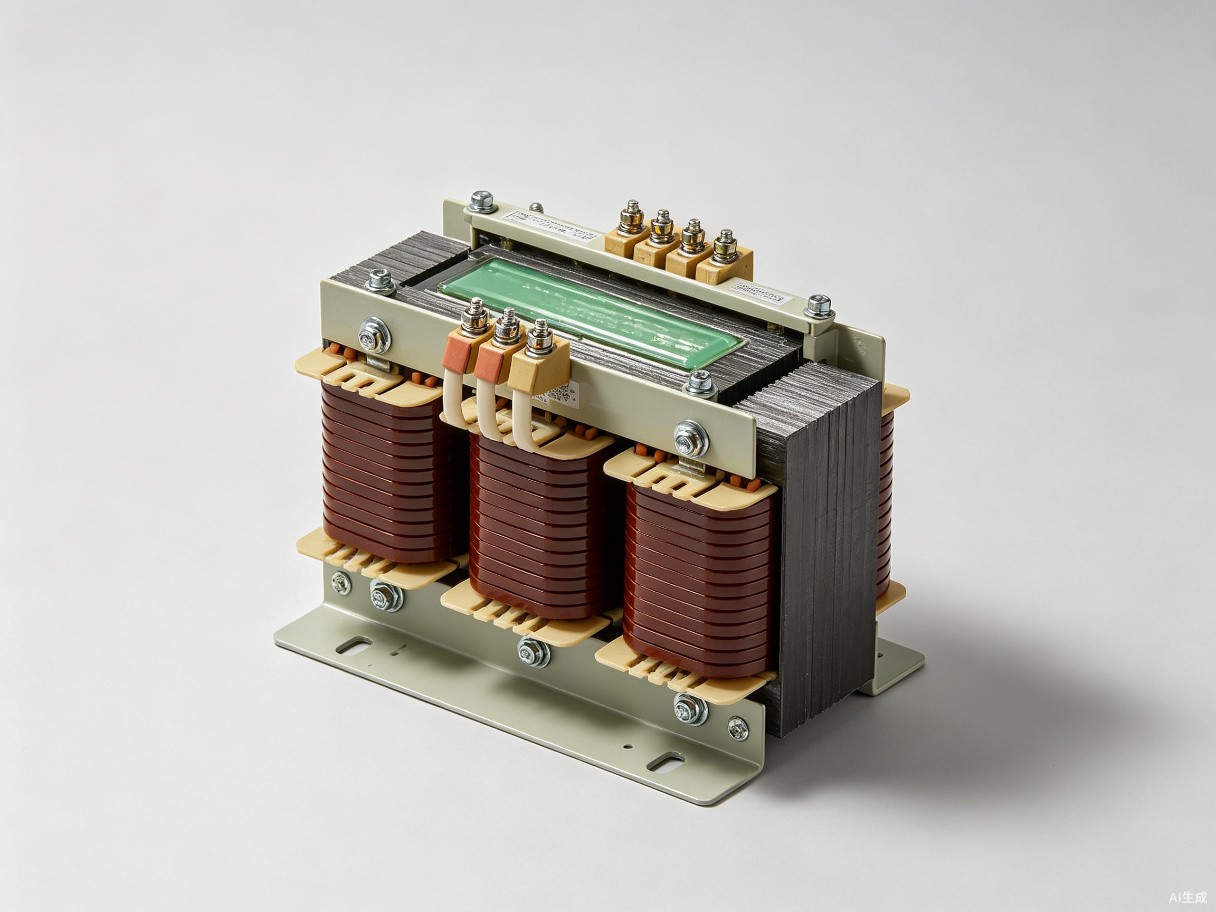
The power transformer industry is undergoing a significant transformation driven by the energy transition, digitalization, and evolving grid requirements. Here are the key trends shaping the industry in 2024 and beyond.
1. Renewable Energy Integration
As solar and wind capacity grows exponentially, transformers must handle variable loads, harmonics from inverters, and bidirectional power flow. We are seeing increased demand for transformers specifically designed for renewable applications, with enhanced harmonic mitigation and thermal management.
2. Digital and Smart Transformers
IoT-enabled transformers with embedded sensors are becoming standard. Real-time monitoring of oil temperature, dissolved gas analysis, and winding hot spots enables predictive maintenance and reduces unplanned outages. By 2027, the smart transformer market is projected to reach $4.3 billion.
3. Eco-Friendly Designs
Environmental regulations are driving adoption of biodegradable ester fluids and dry-type transformers. Natural ester fluids offer superior fire safety (fire point >300°C) and are 100% biodegradable, making them ideal for environmentally sensitive installations.
4. Energy Efficiency Standards
New efficiency standards like the US Department of Energy (DOE) 2016 rule and the EU Ecodesign Directive are pushing manufacturers to develop ultra-low-loss transformers. Amorphous metal core transformers, with 70% lower no-load losses, are gaining traction.
5. Modular and Compact Designs
Urbanization and space constraints are driving demand for compact, modular transformer designs. Pad-mounted and submersible transformers with smaller footprints are increasingly popular for urban distribution networks.
At Transformer Co., we are investing in R&D to stay at the forefront of these trends, ensuring our products meet the evolving needs of the global power industry.